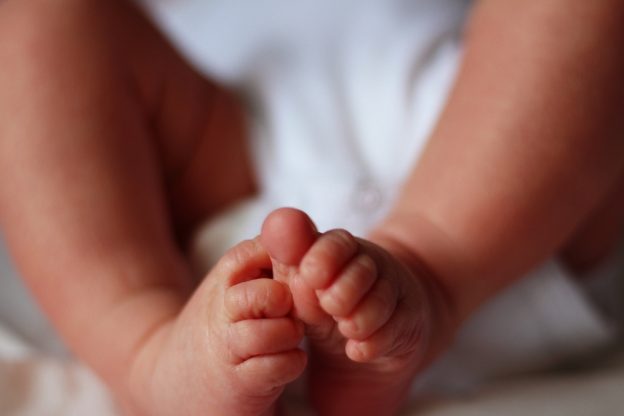
Clubfoot, medically known as congenital talipes equinovarus, is a relatively common congenital condition that affects the structure and positioning of a newborn’s foot or feet. Characterized by an inward and downward turning of the foot, clubfoot can range from mild to severe and may affect one or both feet. Though the condition may appear alarming to new parents, modern treatment methods have made it highly manageable, often allowing children to lead active, unrestricted lives.
What Is Clubfoot?
Clubfoot is a birth defect in which a baby’s foot is twisted out of its normal position. The foot typically points downward and inward, resembling the shape of a golf club—hence the name. In severe cases, the foot may appear almost upside down. This deformity is caused by shortened tendons—the tissues that connect muscles to bones—pulling the foot into an abnormal position.
There are two main types of clubfoot:
- Idiopathic (Isolated) Clubfoot: The most common form, occurring without other medical conditions.
- Non-Isolated Clubfoot: Occurs alongside other congenital disorders such as spina bifida or arthrogryposis.
Prevalence and Demographics
Clubfoot affects approximately 1 in every 1,000 live births, making it one of the most frequent congenital deformities worldwide. It is twice as common in boys as in girls and often affects both feet—about half of the cases involve bilateral clubfoot.
Causes and Risk Factors
The exact cause of clubfoot remains unknown, but researchers believe it results from a combination of genetic and environmental factors. Some key risk factors include:
- Family history: A child is more likely to have clubfoot if a parent or sibling has had it.
- Genetic syndromes: Conditions involving chromosomal abnormalities may increase the risk.
- Maternal smoking: Smoking during pregnancy has been linked to a higher incidence of clubfoot.
- Low amniotic fluid: Insufficient fluid in the womb may restrict fetal movement, contributing to abnormal foot development.
Symptoms and Diagnosis
At birth, clubfoot is usually painless but visibly noticeable. Common signs include:
- The foot is turned inward and downward.
- The heel is rotated inward.
- The calf muscles may appear underdeveloped.
- The affected foot may be shorter than the other.
- A deep crease may be present on the sole of the foot.
Clubfoot is often diagnosed immediately after birth through physical examination. In some cases, it can be detected prenatally via ultrasound, especially in the second trimester. X-rays may be used to assess the severity and structure of the deformity.
Treatment Options
Clubfoot will not correct itself and requires medical intervention. Fortunately, with early and appropriate treatment, most children achieve normal or near-normal foot function.
The Ponseti Method
The Ponseti method is the gold standard for treating clubfoot. It involves:
- Serial casting: Gentle manipulation of the foot followed by casting to gradually correct its position.
- Achilles tenotomy: A minor surgical procedure to lengthen the heel cord.
- Bracing: After correction, a brace is worn to maintain alignment and prevent relapse.
This method is highly effective when started within the first few weeks of life and has largely replaced extensive surgical interventions.
Surgical Treatment
In rare or resistant cases, surgery may be necessary to lengthen tendons, reposition bones, or release tight ligaments. However, surgery carries risks such as stiffness and overcorrection, and is generally considered a last resort.
Long-Term Outlook and Complications
With successful treatment, most children with clubfoot can walk, run, and participate in sports without limitations. However, untreated clubfoot can lead to:
- Difficulty walking
- Pain and discomfort
- Skin sores or calluses from abnormal pressure
- Problems wearing shoes
- Social and psychological challenges
Even after treatment, some children may experience residual stiffness, muscle weakness, or relapse, which requires ongoing monitoring and possibly additional interventions.
Prevention and Awareness
While clubfoot cannot always be prevented, awareness and early diagnosis are key to effective treatment. Prenatal care, avoiding smoking during pregnancy, and genetic counseling for families with a history of clubfoot may help reduce risk.
Organizations like MiracleFeet and Steps Charity Worldwide work to provide treatment access in low-resource settings, where untreated clubfoot remains a significant cause of disability.
Social and Cultural Impact
In many parts of the world, untreated clubfoot can lead to lifelong disability, social exclusion, and economic hardship. Children may be unable to attend school or find employment, perpetuating cycles of poverty. Global health initiatives aim to make treatment accessible and affordable, emphasizing the importance of early intervention and community education.
Adult Clubfoot and Late Diagnosis
Though rare, some individuals reach adulthood with untreated or poorly treated clubfoot. In such cases, treatment becomes more complex and may involve:
- Orthopedic surgery
- Physical therapy
- Custom footwear or orthotics
These individuals often face challenges in mobility and quality of life, highlighting the importance of early childhood treatment.
Psychological Considerations
Parents of children with clubfoot often experience anxiety and concern about their child’s future. Support groups, counseling, and education can help families navigate the emotional aspects of diagnosis and treatment. Children, too, may benefit from psychological support, especially if they face teasing or feel different from peers.
Clubfoot is a complex but highly treatable condition that affects thousands of newborns each year. With early diagnosis and the right treatment—particularly the Ponseti method—children with clubfoot can lead full, active lives. Continued awareness, research, and global outreach are essential to ensure that every child, regardless of geography or socioeconomic status, has access to life-changing care.