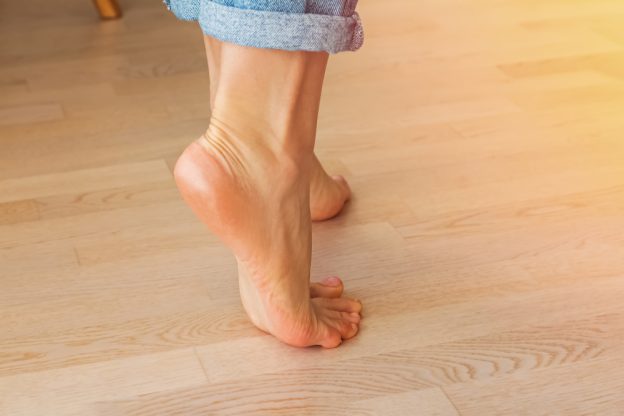
Toe walking, a gait abnormality where an individual walks on the balls of their feet without the heels touching the ground, is a common observation in children with Autism Spectrum Disorders (ASD). While toe walking can occur in typically developing children, its persistence beyond early childhood and its prevalence in autistic individuals has prompted extensive research into its causes, implications, and treatment strategies. This essay explores the phenomenon of toe walking in ASD, examining its neurological, sensory, and behavioral underpinnings, as well as therapeutic approaches and broader implications for diagnosis and intervention.
Prevalence and Clinical Significance
Toe walking is not exclusive to autism; it can be seen in various conditions including cerebral palsy, muscular dystrophy, and idiopathic cases. However, studies suggest that toe walking is significantly more common in children with ASD. Estimates vary, but some research indicates that up to 20% of autistic children exhibit persistent toe walking, compared to less than 2% in the general pediatric population.
The presence of toe walking in ASD is clinically significant for several reasons:
- It may serve as an early behavioral marker for autism.
- It can lead to musculoskeletal complications such as tight Achilles tendons, balance issues, and gait inefficiencies.
- It often reflects underlying sensory or neurological differences that are central to the autistic experience.
Neurological and Sensory Foundations
One of the most compelling explanations for toe walking in ASD lies in sensory processing differences. Many autistic individuals experience sensory modulation challenges, meaning they may be hyper- or hypo-sensitive to sensory input. Toe walking may be a manifestation of these differences.
Sensory Seeking and Avoidance
- Tactile Sensitivity: Some children may avoid heel contact due to hypersensitivity in the soles of their feet. Walking on toes reduces the sensory input from the ground, which may feel overwhelming.
- Proprioceptive Seeking: Others may toe walk to increase proprioceptive feedback—the sense of body position and movement. Toe walking can provide increased pressure and stimulation to the calf muscles and joints, which may be calming or organizing for the nervous system.
Vestibular System Involvement
The vestibular system, which governs balance and spatial orientation, may also play a role. Toe walking alters the body’s center of gravity and can change vestibular input. For some autistic children, this may help regulate their sensory experience or provide a preferred sense of movement.
Behavioral and Developmental Perspectives
Toe walking in ASD is not always rooted in sensory differences. Behavioral and developmental factors also contribute.
Repetitive Behaviors and Motor Stereotypies
Toe walking may be part of a broader pattern of repetitive motor behaviors, which are common in autism. These stereotypies can include hand-flapping, rocking, or spinning, and may serve self-regulatory or communicative functions. Toe walking, in this context, may be a form of stimming—a self-stimulatory behavior that helps manage anxiety or sensory overload.
Delayed Motor Development
Children with ASD often exhibit delays in gross motor skills, including balance, coordination, and gait development. Toe walking may reflect immature motor patterns or compensatory strategies for underlying motor planning difficulties.
Diagnostic and Therapeutic Approaches
When toe walking is observed in a child, especially beyond the age of three, a thorough evaluation is warranted. This includes:
- Medical Assessment: To rule out neuromuscular disorders or orthopedic abnormalities.
- Developmental Screening: To assess for signs of ASD or other developmental conditions.
- Sensory Profile Analysis: To understand sensory processing patterns that may contribute to toe walking.
Interventions
Treatment for toe walking in autistic children is multifaceted and should be individualized. Common approaches include:
Physical Therapy
- Stretching exercises to lengthen the Achilles tendon.
- Strengthening and balance training to promote heel-to-toe gait.
- Gait retraining using visual and tactile cues.
Occupational Therapy
- Sensory integration therapy to address underlying sensory processing issues.
- Use of weighted vests, compression garments, or proprioceptive activities to reduce sensory-seeking behaviors.
Orthotic Devices
- Ankle-foot orthoses (AFOs) can help position the foot correctly and discourage toe walking.
- Serial casting may be used in more severe cases to gradually stretch tight muscles.
Behavioral Interventions
- Applied Behavior Analysis (ABA) techniques can reinforce heel-to-toe walking through positive reinforcement.
- Functional Behavior Assessments (FBA) can identify triggers and motivations behind toe walking, allowing for targeted interventions.
Broader Implications for Autism Diagnosis and Support
Toe walking, while often dismissed as a benign habit, can be a valuable clue in the early identification of autism. Pediatricians and therapists should be aware of its potential significance, especially when accompanied by other developmental concerns such as delayed speech, limited eye contact, or repetitive behaviors.
Moreover, understanding toe walking through the lens of autism encourages a more compassionate and individualized approach to care. Rather than viewing it as a problem to be “fixed,” clinicians and caregivers can recognize it as a meaningful behavior that reflects the child’s sensory and neurological experience.
Toe walking in Autism Spectrum Disorders is a complex and multifactorial phenomenon. It intersects with sensory processing, motor development, and behavioral regulation, offering insights into the lived experience of autistic individuals. While it may pose physical challenges, it also provides an opportunity for early identification and holistic intervention. By approaching toe walking with curiosity, empathy, and evidence-based strategies, clinicians and families can support autistic children in navigating their world more comfortably and confidently.